
formal attire women– In the modern professional world, your appearance is more than just a personal choice—it’s a form of communication. Before you speak, your outfit speaks for you. And at the center of that visual communication lies one powerful element: color.
When it comes to formal attire women, color is not just about style—it’s about strategy. The colors you wear can influence how others perceive your confidence, authority, creativity, and professionalism. They can subtly shape your personal brand, impact first impressions, and even affect how you feel throughout the day.
Whether you’re building a wardrobe from scratch or refining your current style, understanding the best colors for women formal clothes is essential. From timeless neutrals to modern accent tones, every shade has a role to play.
This in-depth guide will walk you through everything you need to know—from foundational colors and advanced styling strategies to psychology, seasonal dressing, and expert-level wardrobe building.

Why Color Matters in Formal Attire Women
Before we dive into specific shades, let’s understand why color is so important in professional dressing.
First Impressions Are Instant
Studies suggest that people form opinions within seconds. Color is one of the first things noticed, even before fit or detail.
Color Communicates Without Words
Each color sends a message:
- Dark tones → Authority, control
- Light tones → Openness, clarity
- Soft tones → Approachability
Affects Confidence and Mood
formal attire women-Wearing the right colors can boost your confidence, making you feel more prepared and self-assured.
Reflects Professional Awareness
Choosing appropriate colors shows that you understand workplace culture and expectations.
The Core Foundation: Neutral Colors in Formal Attire
Every strong wardrobe starts with neutrals. These are the backbone of formal attire women because they are versatile, timeless, and always appropriate.
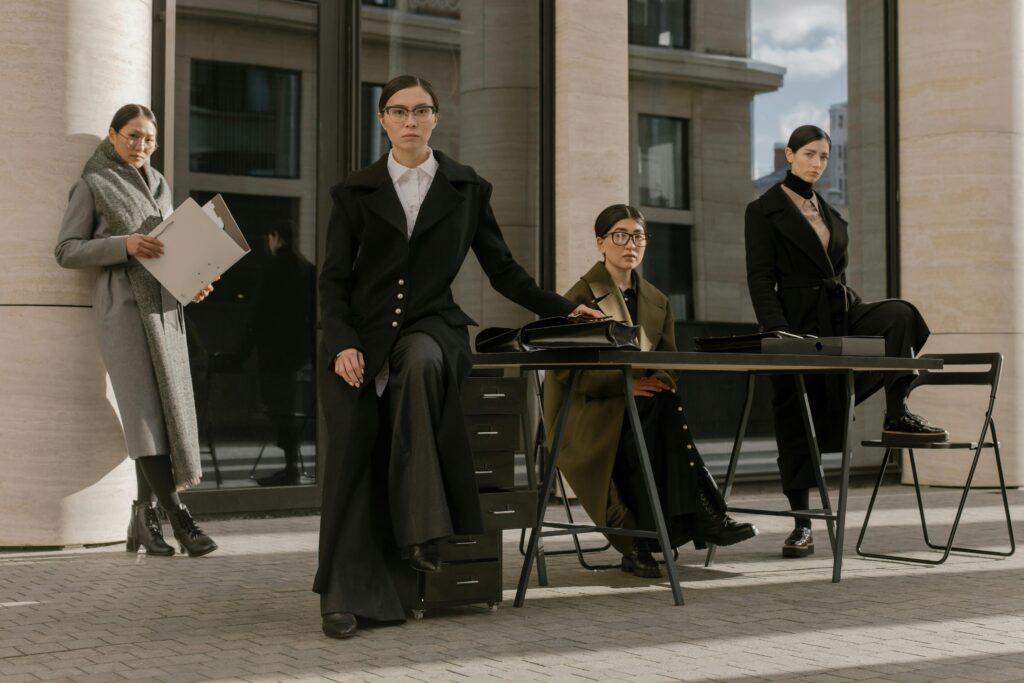
Black: The Ultimate Power Color
Black is the most dominant color in formal wear.
Why Black Is Essential:
- Represents authority and sophistication
- Universally flattering
- Suitable for all occasions
- Easy to style with other colors
Where to Use Black:
- Blazers
- Trousers
- Pencil skirts
- Full formal dress suits for ladies
Styling Insight:
While black is powerful, wearing it head-to-toe daily can feel heavy. Balance it with lighter tones like white or beige.
White: The Symbol of Clarity and Simplicity
White is a must-have in every wardrobe.
Why White Works:
- Clean and crisp appearance
- Creates contrast
- Works with every color
Essential White Pieces:
- Formal shirts
- Blouses
- Inner layers
Pro Tip:
White requires maintenance—wrinkles and stains are more visible, so always keep it well-pressed.
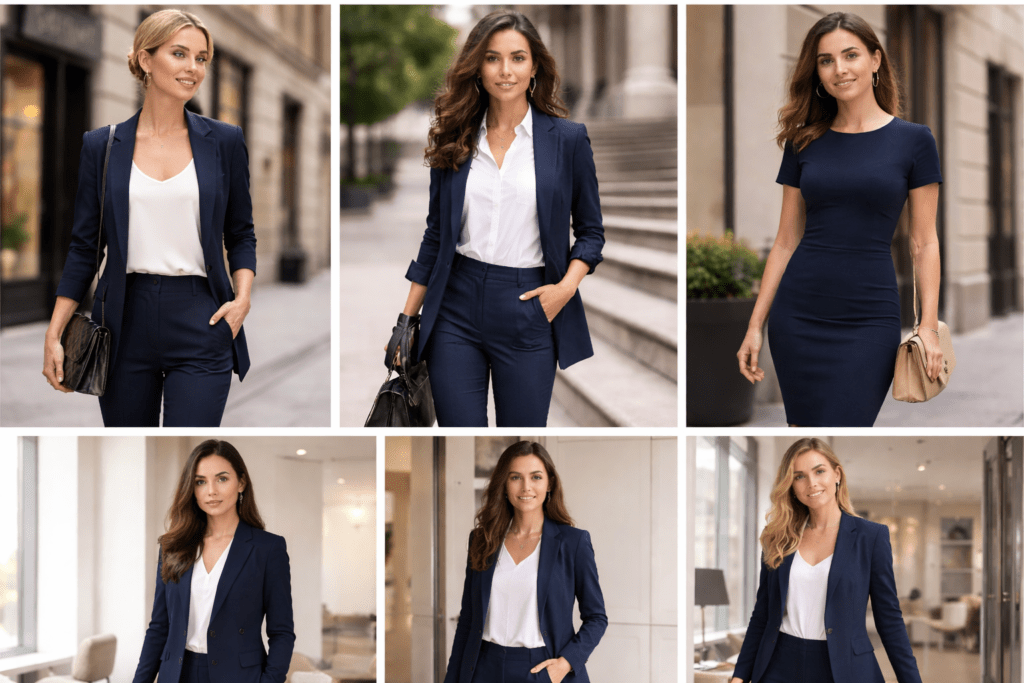
Navy Blue: The Perfect Alternative to Black
Navy is one of the most versatile colors in formal dress for women office wear.
Benefits:
- Professional yet softer than black
- Suitable for all skin tones
- Ideal for daily wear
Styling Combinations:
- Navy blazer + white shirt
- Navy trousers + pastel blouse
Navy creates a balanced and approachable look.
Grey: The Understated Neutral
Grey is often overlooked but extremely powerful.
Why Grey Is Important:
- Neutral and flexible
- Works across all seasons
- Adds variety to your wardrobe
Shades Matter:
- Light grey → Soft and modern
- Charcoal → Strong and formal
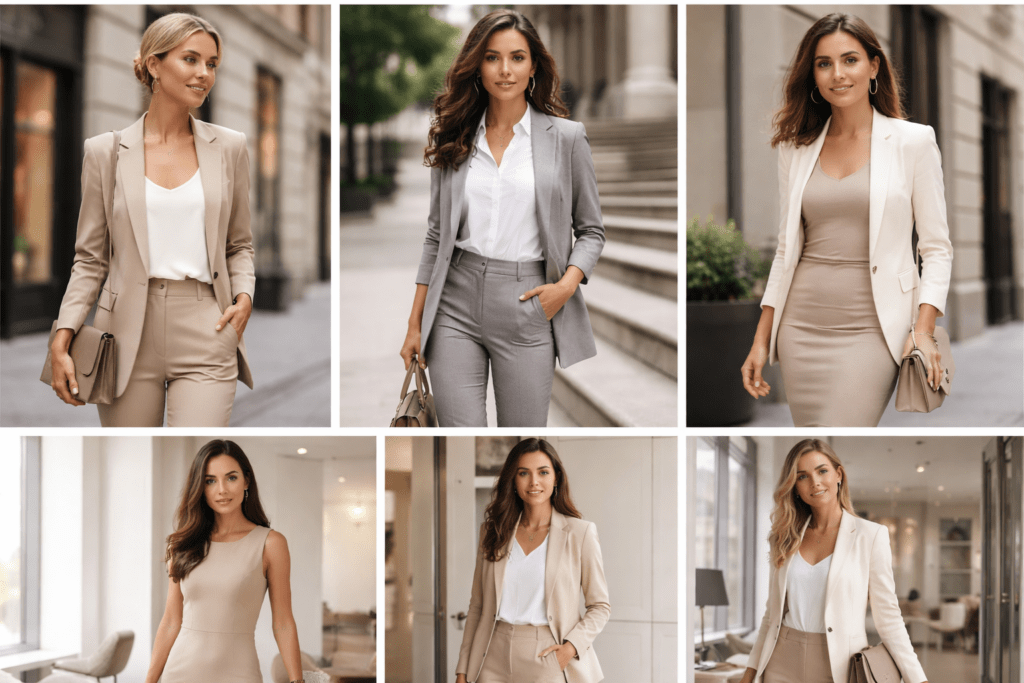
Beige and Nude: Modern Minimalism
formal attire women-These tones are perfect for creating soft, elegant outfits.
Why They Work:
- Subtle and refined
- Perfect for summer
- Easy to pair with darker tones
Expanding Your Palette: Adding Color Smartly
Once your neutral base is strong, you can begin adding color.
Pastels: Soft, Elegant, and Contemporary
Pastels are ideal for modern professional environments.
Popular Choices:
- Baby blue
- Blush pink
- Lavender
- Mint green
How to Use:
- Pair with neutral bottoms
- Use as layering pieces
Jewel Tones: Rich and Confident
Jewel tones add depth and personality.
Examples:
- Burgundy
- Emerald
- Deep purple
These colors are perfect for presentations or important meetings.
Earth Tones: Warm and Grounded
Earth tones are becoming more popular in professional settings.
Examples:
- Olive green
- Rust
- Brown
They bring a natural, sophisticated feel.
Color Psychology in Professional Settings
Understanding color psychology gives you a strategic advantage.

Key Meanings:
- Black → Authority
- Blue → Trust
- White → Simplicity
- Grey → Balance
- Beige → Calmness
How to Build a Color Strategy for Your Wardrobe
Instead of random shopping, follow a system.
Choose Base Colors
Pick 2–3 neutrals (black, navy, grey)
Add Accent Colors
Choose 2–3 soft or rich tones
Ensure Versatility
Every piece should match at least 3 others
Seasonal Color Strategy
Summer:
- Light tones
- Breathable fabrics
Winter:
- Darker shades
- Layered outfits
Matching Colors with Skin Tone
Warm Undertones:
- Beige, brown, olive
Cool Undertones:
- Navy, grey, pastels
But remember—confidence matters more than rules.
Color Coordination Rules
Stick to 2–3 Colors Per Outfit
Avoid overcomplicating your look.
Balance Light and Dark
Creates visual harmony.
Use One Statement Color
Let one piece stand out.
Accessories and Color Harmony
Accessories should support your outfit.
Tips:
- Match metals
- Use neutral bags
- Avoid clashing tones

Common Color Mistakes
- Wearing too many bright colors
- Ignoring balance
- Choosing inappropriate shades
- Overcomplicating outfits
Building a Capsule Wardrobe
Essentials:
- Black blazer
- Navy trousers
- White shirts
- Grey skirt
- Neutral shoes
Styling Examples
Professional Look:
White shirt + black trousers + blazer
Modern Look:
Pastel blouse + navy pants
Power Look:
Full navy suit
Why Simplicity Wins
Simple outfits:
- Look more professional
- Are easier to manage
- Stay timeless
Confidence: The Real Game Changer
No color works without confidence.
Your posture, communication, and attitude complete your look.

Final Thoughts
Choosing the right colors is essential in formal attire women. It’s not just about looking good—it’s about feeling confident, being taken seriously, and presenting yourself in the best possible way.
By focusing on neutral foundations, adding subtle color, and maintaining balance, you can create a wardrobe that is both stylish and professional.
Remember:
Style is not about having more.
It’s about choosing better