
Skirts -When it comes to dressing professionally, every detail matters—from the fit of your blazer to the polish of your shoes. However, one of the most important yet often overlooked aspects of formal dressing is the length of skirts and dresses. Choosing the right length is not just about style; it directly influences how professional, confident, and appropriate your overall look appears.
In the world of formal attire women, skirt and dress length plays a key role in maintaining a balance between elegance and workplace appropriateness. Whether you’re attending meetings, working in a corporate office, or presenting in front of a team, the right length ensures you look polished while feeling comfortable.
In this comprehensive guide, we’ll explore everything you need to know about choosing the ideal length for skirts and dresses in formal settings—covering standards, styling tips, workplace expectations, and expert advice.
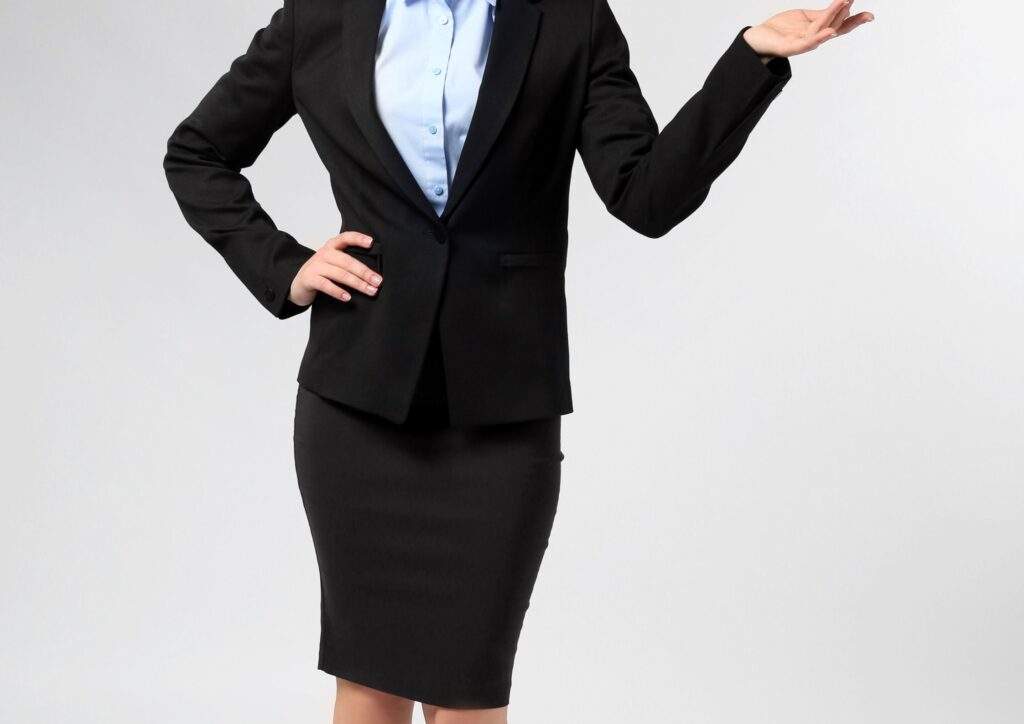
Why Length Matters in Formal Wear
Before diving into specific lengths, it’s important to understand why length is so crucial in professional dressing.
Reflects Professionalism
The length of your outfit communicates respect for workplace norms and expectations.
Ensures Comfort and Confidence
The right length allows you to move, sit, and walk comfortably without worry.
Maintains a Polished Appearance
Proper length contributes to a clean and structured look, essential in women formal clothes.
Prevents Distractions
An appropriate length ensures your outfit does not draw unnecessary attention.
The Gold Standard: Knee-Length Skirts and Dresses
When it comes to formal dress for women office wear, knee-length is widely considered the ideal and safest choice.
What Is Knee-Length?
- The hemline sits at the knee or just slightly below
- Provides balanced coverage
- Works well for all body types
Why It Works:
- Universally accepted in professional environments
- Comfortable for long workdays
- Maintains a structured and elegant silhouette
Knee-length skirts are a staple in formal wardrobes because they strike the perfect balance between style and professionalism.
Slightly Above the Knee: Modern but Risky
In some workplaces, especially modern or creative environments, skirts slightly above the knee may be acceptable.
When It’s Appropriate:
- The skirt is tailored and not too tight
- The workplace has a relaxed dress code
- The outfit remains overall polished
When to Avoid:
- Corporate offices
- Client-facing roles
- Formal meetings or presentations
Even in flexible environments, maintaining a professional tone is essential when choosing formal attire women.
Below-the-Knee and Midi Length: The Elegant Choice
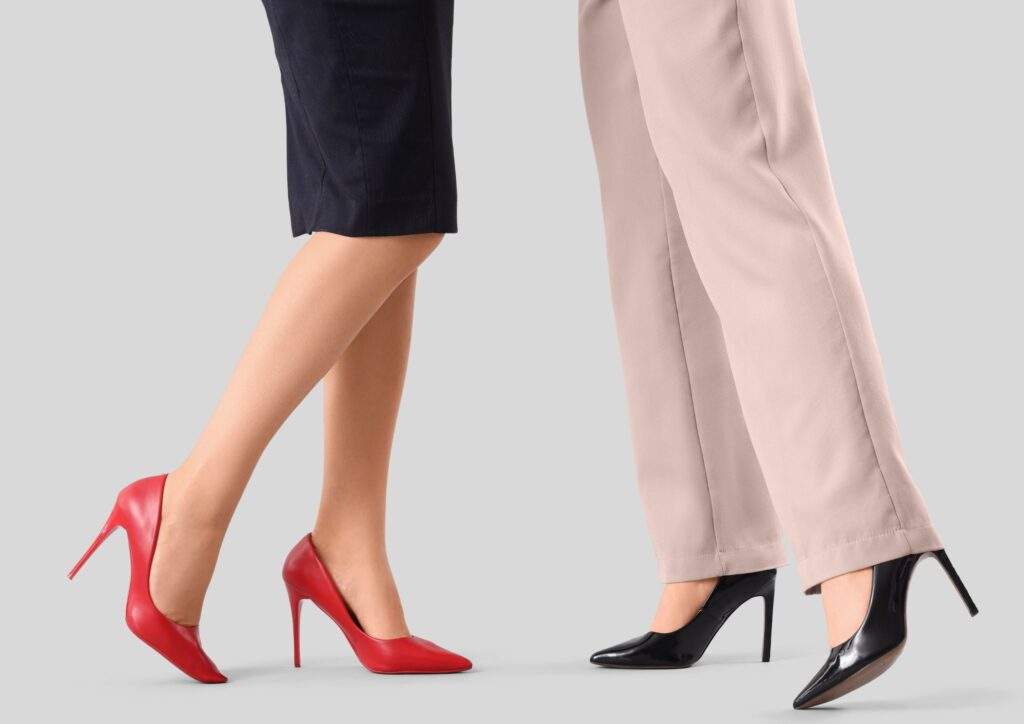
Midi skirts, which fall below the knee and above the ankle, have become increasingly popular in professional fashion.
Benefits of Midi Skirts:
- Offer a sophisticated and modern look
- Provide extra coverage and comfort
- Suitable for all workplace environments
- Work well across seasons
Midi-length skirts are especially useful for those who prefer modest yet stylish options in formal dress suits for ladies.
Maxi Length: Can It Be Formal?
Maxi skirts and dresses reach the ankle and are generally considered more casual. However, they can work in certain formal settings when styled correctly.
Suitable When:
- The fabric is structured (not overly flowy)
- The design is minimal and refined
- Paired with formal tops or blazers
Limitations:
- Not ideal for traditional corporate settings
- Can appear too relaxed if not styled properly
Maxi styles should be chosen carefully to ensure they align with formal wear for women standards.
Understanding Slits and Movement
Length alone is not enough—slits also play a role in determining appropriateness.
Guidelines:
- Keep slits minimal and subtle
- Avoid high or revealing cuts
- Ensure comfort while walking and sitting
A well-designed slit can enhance movement without compromising professionalism.
Choosing the Right Length Based on Body Type
While general guidelines exist, your body type can influence the ideal skirt length.
For Petite Women:
- Knee-length or slightly above can create the illusion of height
For Tall Women:
- Midi and below-the-knee lengths work beautifully
For Curvy Body Types:
- Knee-length or midi skirts provide balance and comfort
The goal is to choose a length that flatters your shape while aligning with professional standards.
Skirt Styles and Their Impact on Length
Different styles of skirts can change how length is perceived. Pencil Skirts
- Best at knee-length or slightly below
- Offer a structured and professional look

A-Line Skirts
- Slightly flared for comfort
- Work well in both knee and midi lengths
Pleated Skirts
- Add texture and movement
- Ideal in midi length for formal settings
Wrap Skirts
- Ensure proper coverage
- Best at knee-length or longer
These styles are essential in building versatile women formal clothes wardrobes.
Dress Length Guidelines for Formal Settings
The same principles apply to dresses.
Ideal Dress Lengths:
- Knee-length (most recommended)
- Midi length (elegant and modern)
- Slightly above the knee (only in relaxed environments)
Avoid overly short dresses, as they can appear unprofessional.
Pairing Skirts with the Right Tops
A balanced outfit is key to achieving a professional look.
Best Pairings:
- Formal shirts tucked into skirts
- Structured blouses
- Blazers for added authority
This combination works seamlessly within formal attire women guidelines.
Footwear and Length Coordination
Your choice of footwear can enhance or disrupt your overall look.
Tips:
- Heels elongate the legs and complement midi skirts
- Flats work well with knee-length styles
- Stick to neutral tones
Avoid overly casual footwear, as it can reduce the formality of your outfit.
Workplace Culture and Expectations
Dress codes vary across industries, so understanding your workplace culture is essential.

Conservative Workplaces:
- Stick to knee-length or longer
- Avoid experimentation
Modern Workplaces:
- Allow slight flexibility
- Encourage subtle personal style
Observing your environment helps you make appropriate choices.
Seasonal Considerations
Different seasons can influence your choice of skirt length.
Summer:
- Lightweight fabrics
- Knee-length for comfort
Winter:
- Midi skirts with tights
- Layering with coats and boots
Adapting your wardrobe ensures comfort without compromising professionalism.
Common Mistakes to Avoid
Even with the right knowledge, mistakes can happen.
Avoid:
- Skirts that are too short
- Overly tight fits
- Transparent fabrics
- High slits
- Ignoring comfort
These mistakes can affect both your confidence and professional image.
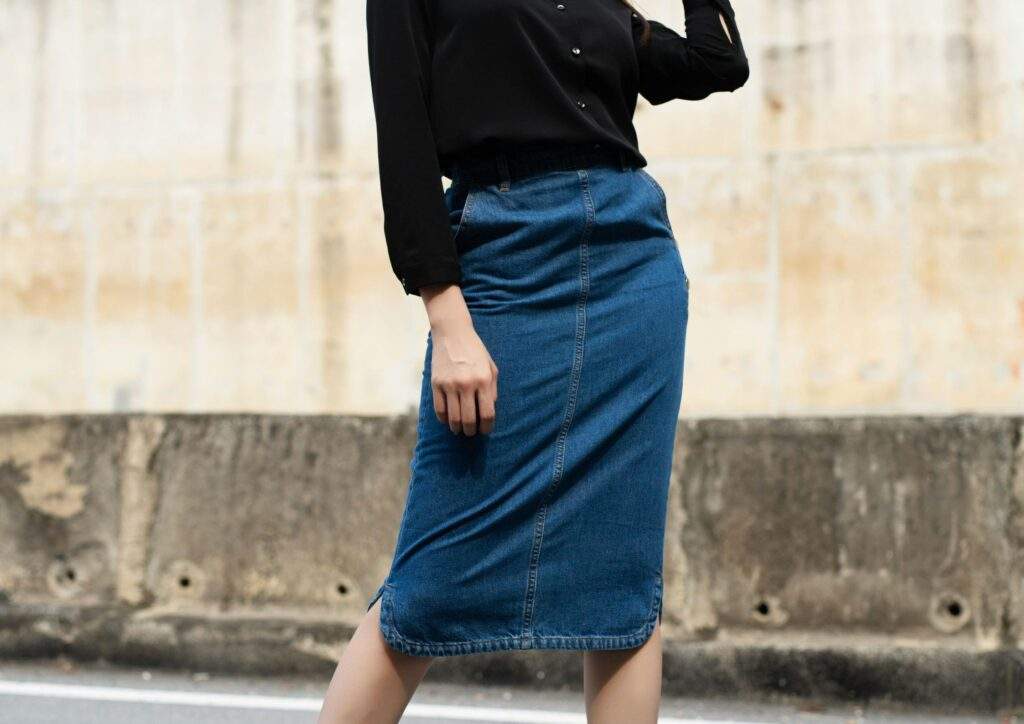
Building a Professional Skirt Collection
A well-rounded wardrobe should include a variety of lengths and styles.
Essentials:
- 2 knee-length pencil skirts
- 1–2 midi skirts
- Neutral colors (black, navy, grey)
These pieces allow you to create multiple outfits easily.
Expert Styling Tips
- Always check the fit while sitting and walking
- Choose high-quality fabrics
- Keep designs minimal
- Maintain proper grooming
- Stick to versatile colors
Why Simplicity Wins in Formal Fashion
Formal fashion is about elegance and balance.
Simple, well-fitted skirts:
- Look more professional
- Are easier to style
- Work across multiple settings
- Remain timeless
The Confidence Factor
No matter what you wear, confidence is key.
When you feel comfortable and confident in your outfit, it reflects in your posture, communication, and overall presence.