women formal clothes– In today’s professional world, the way you dress is more than just a daily routine—it’s a reflection of your mindset, confidence, and professionalism. Whether you are starting your first job, transitioning into a corporate role, or simply upgrading your wardrobe, understanding formal office dress codes is essential.
For many women, navigating workplace fashion can feel confusing. Terms like business formal, business casual, and smart casual are often used interchangeably, making it difficult to know what truly qualifies as appropriate office wear. This is where understanding women formal clothes becomes important.
In this comprehensive guide, we will break down everything you need to know about formal office dress codes, including what they mean, how to follow them, and how to build a wardrobe that is both professional and stylish.

What Is a Formal Office Dress Code?
A formal office dress code is a set of guidelines that define how employees should dress in a professional environment. It is typically more structured and conservative compared to casual or semi-formal styles.
In simple terms, formal attire women refers to clothing that is:
- Neat and well-fitted
- Minimal in design
- Professional in appearance
- Appropriate for corporate settings
This type of dress code is commonly followed in industries such as finance, law, corporate management, and consulting.
Why Formal Dress Codes Matter
women formal clothes-Understanding and following a formal dress code is not just about rules—it has real benefits.
1. Builds Professional Image
Your clothing reflects your seriousness and dedication toward your work.
2. Creates Consistency
A formal dress code ensures everyone maintains a similar level of professionalism.
3. Boosts Confidence
When you look polished, you feel more confident and capable.
4. Enhances Workplace Culture
A well-dressed team creates a strong and professional environment.
Types of Office Dress Codes
Before focusing fully on formal wear, it’s helpful to understand how it compares with other dress codes.
1. Business Formal
This is the most traditional and strict dress code.
Features:
- Structured outfits
- Neutral colors
- Minimal accessories
Examples:
- Formal dress suits for ladies
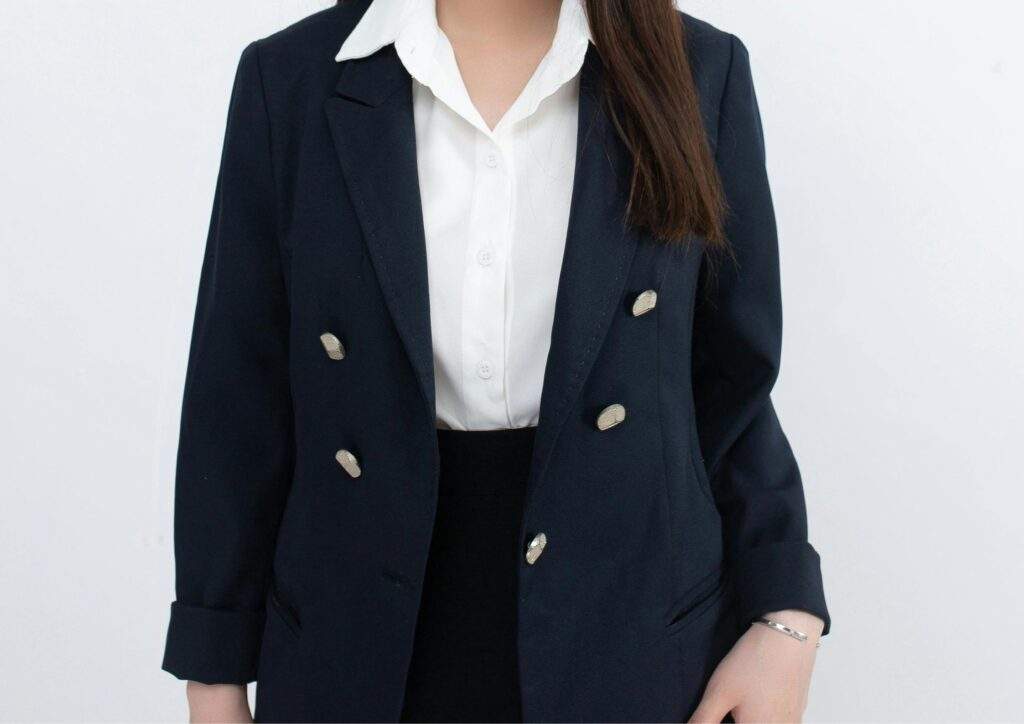
- Blazers with trousers or skirts
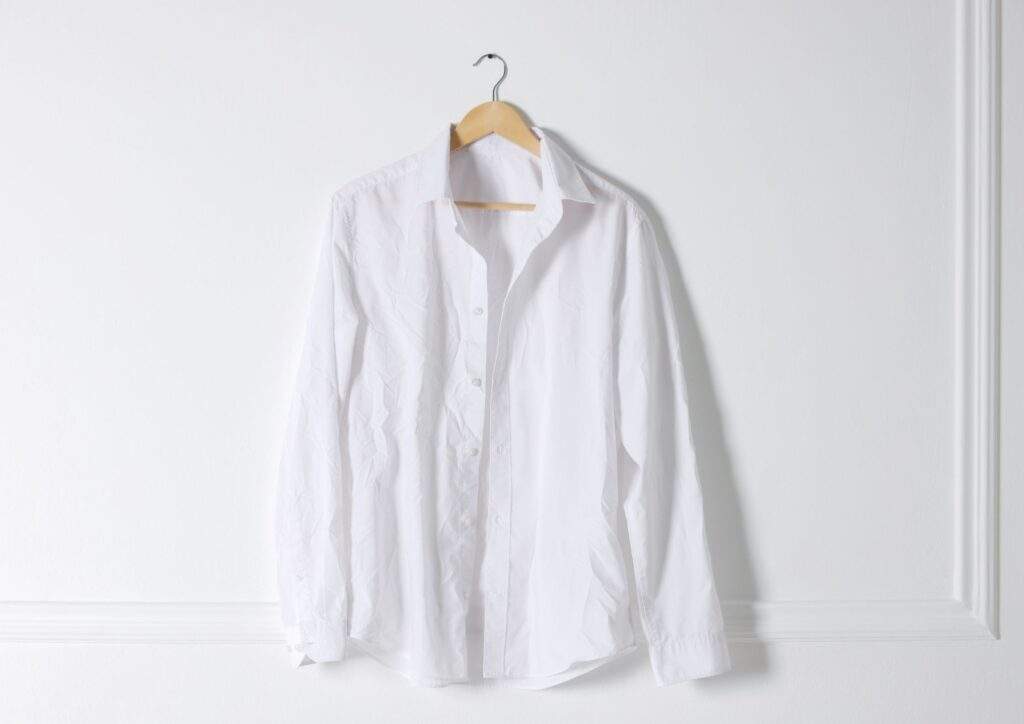
- Crisp formal shirts
2. Business Casual
A more relaxed version of formal dressing.
Features:
- Comfortable yet professional
- Slight flexibility in colors and styles
Examples:
- Blouses with trousers
- Cardigans instead of blazers
3. Smart Casual
A modern blend of casual and professional.
Features:
- Stylish and comfortable
- More personal expression
Among these, business formal is where women formal clothes are most strictly defined.
Essential Elements of Women Formal Clothes
Building a strong formal wardrobe requires understanding the key pieces.
1. Formal Shirts and Blouses
These are the foundation of any formal outfit.
Features:
- Tailored fit
- Neutral or soft colors
- Minimal patterns
Why They Matter:
They create a clean and structured appearance.
2. Tailored Trousers
Trousers are a staple in formal dress for women office wear.
Styles:
- Straight-leg
- Slim-fit
- High-waisted
3. Pencil Skirts
A classic choice for formal settings.
Tips:
- Keep length at or below the knee
- Ensure a comfortable fit

4. Blazers and Jackets
Blazers add structure and authority.
Benefits:
- Complete the outfit
- Enhance professionalism
5. Formal Dress Suits for Ladies
Suits are the most complete formal outfit.
Options:
- Blazer + trousers
- Blazer + skirt
These are essential for meetings, interviews, and presentations.
Choosing the Right Colors
Color plays a major role in formal dressing.
Recommended Colors:
- Black
- Navy
- Grey
- White
- Beige
These colors are timeless and versatile.
Fabrics That Work Best
Quality fabrics enhance both comfort and appearance.
Ideal Choices:
- Cotton
- Wool blends
- Linen
- Silk blends
Footwear for Formal Office Wear
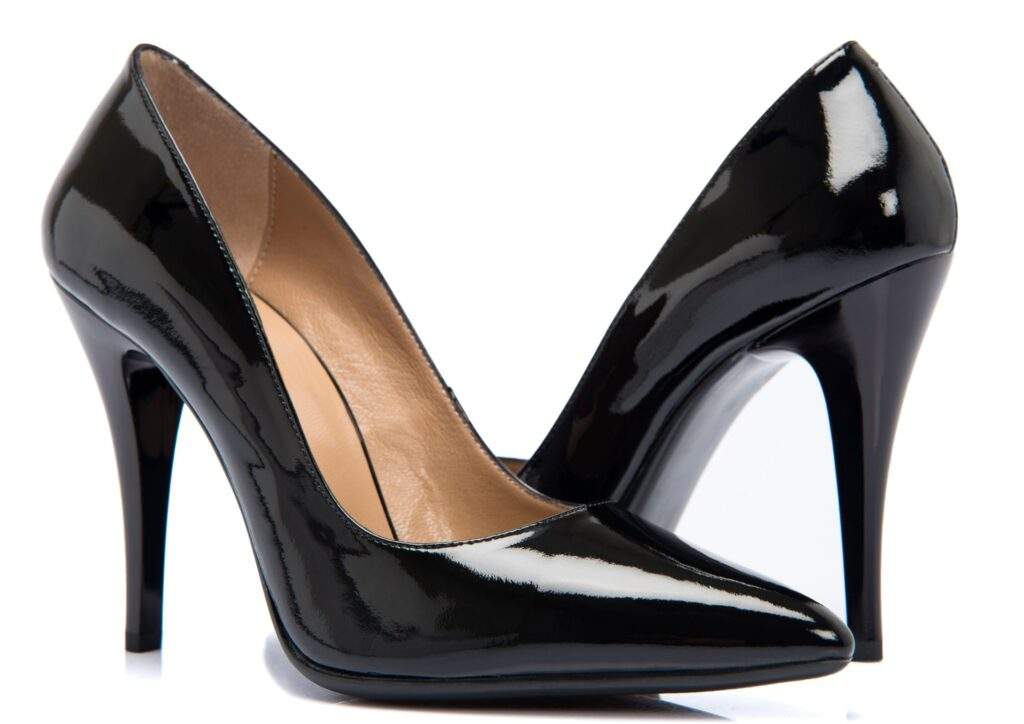
women formal clothes-Shoes should be both professional and comfortable.
Best Options:
- Closed-toe heels
- Flats
- Loafers
Accessories: Keep It Minimal
Accessories should complement your outfit.
Recommended:
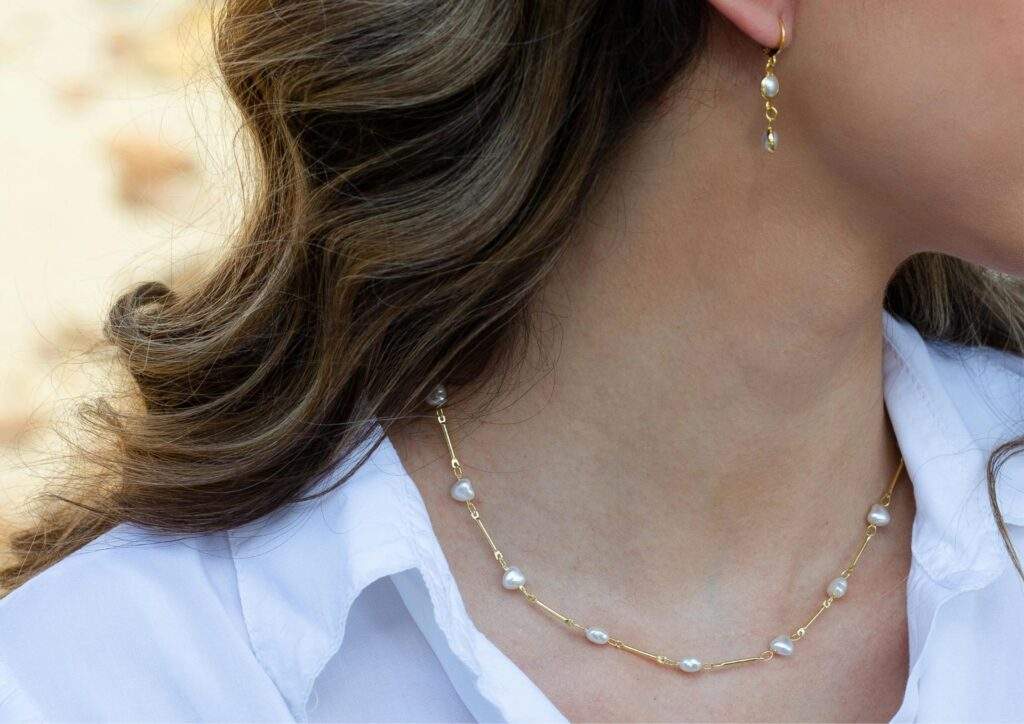
- Simple earrings
- Classic watch
- Structured handbag
Grooming and Personal Hygiene
Your appearance goes beyond clothing.
Tips:
- Keep hair neat
- Maintain minimal makeup
- Ensure clean nails
Building a Formal Capsule Wardrobe
A capsule wardrobe simplifies daily dressing.
Essentials:
- 4–5 shirts
- 2–3 trousers
- 1–2 blazers
- 1 skirt
- 1 formal suit
Common Mistakes to Avoid
- Wearing ill-fitted clothes
- Over-accessorizing
- Choosing bright colors
- Mixing casual and formal styles
- Ignoring grooming
Adapting to Modern Workplaces
Workplace fashion is evolving.
While formal attire women remains important, many offices allow slight flexibility.
Confidence: The Key Element
women formal clothes-No outfit works without confidence.
When you feel good in your clothing, it reflects in your work and interactions.
Final Thoughts
Understanding formal office dress codes is essential for building a professional image. By investing in quality women formal clothes, you can create a wardrobe that is both stylish and functional.
The key lies in simplicity, consistency, and confidence. When you dress well, you not only look professional—you feel empowered.